Story · Company histories
Samsung's New Management, from Frankfurt to the top
How a 1993 meeting in Frankfurt reset Samsung around quality, design and brand
The Frankfurt meeting
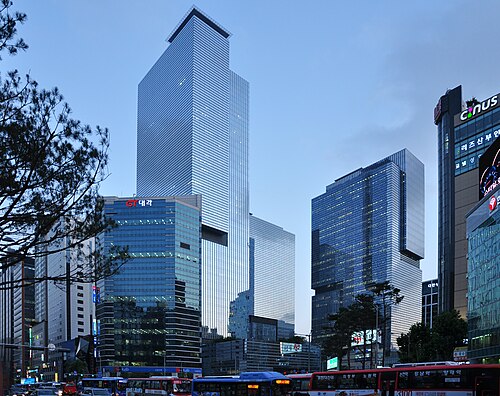
Lee Kun-hee became chairman of Samsung in December 1987, and by the early 1990s he had concluded that the group was still a regional player, turning out large volumes of goods that could not compete on quality. A visit to an electronics show in Los Angeles in 1993, where visitors reportedly walked past Samsung's products as they gathered dust, shook him. That year he summoned about 200 executives and staff to a hotel in Frankfurt and set out what Samsung calls its New Management. Old habits and rules were to go, and quality was to come first, even if it meant selling less. The rival he had in mind was Sony.
Sources: Lee Kun-hee · view.php
A bonfire at Gumi
Phones showed how far Samsung had to go. Its first handset, the SH-100, came out in 1988, but sales were poor, and in the early 1990s Motorola held more than 60 per cent of the South Korean market against Samsung's 10. Leaving the business was often discussed inside the company. Samsung launched the Anycall brand in 1993, and in March 1995, unhappy with the quality of its phones, Lee had employees burn about 150,000 Anycall handsets, worth some 50 billion won, outside the factory in Gumi. By August that year Anycall held 51.5 per cent of the Korean market, ahead of Motorola, and it stayed the country's leading phone brand for years.
Sources: Samsung Electronics · Anycall · view.php
The year of design
Quality was one half of the plan; image was the other. Samsung drew up a ten-year programme to shed its reputation as a budget brand and to challenge Sony as the world's largest maker of consumer electronics. Lee declared 1996 the Year of Design Revolution, treating design as a strategic asset rather than decoration, which meant changing processes and culture as well as products. By the late 1990s Samsung products were winning design awards and the brand was gaining value. The company also paid for global visibility, sponsoring events such as the 1998 Winter Olympics in Nagano. Its designers, only a handful in 1971, numbered 1,600 by 2015.
Sources: Samsung Electronics
A carmaker too far
Not every bet of the period worked. Lee saw cars as a way to draw on skills from across the group, and after failing to gain control of Kia he set up Samsung Motors, established in 1994 with technical help from Nissan. Work on a factory in Busan began in March 1995, and cars went on sale in 1998, just as the Asian financial crisis struck. Samsung was reportedly losing about 1.5 million won on every car it built. The carmaker went into court receivership, and Lee handed 3.5 million shares in Samsung Life to its creditors. In September 2000 Renault bought a 70 per cent stake for 560 million dollars.
Sources: Renault Korea · view.php
Passing Sony
The crisis broke many Korean groups, but Samsung Electronics grew its net earnings by more than 5 per cent a year from 2000 to 2003, while 16 of the country's 30 largest companies collapsed. Its strategy of making components and new technologies for other firms now paid off in displays. Sony, which had not invested in large LCD panels, formed a joint venture with Samsung, S-LCD, to secure its supply, with Samsung holding 50 per cent plus one share. In 2005 Samsung passed Sony in Interbrand's ranking of global brands for the first time, and in 2006 it overtook Sony as the world's largest television maker, a lead it has kept every year since.
Sources: Samsung Electronics · Samsung · Lee Kun-hee
Biggest phone maker, biggest advertiser
Phones followed. In the first quarter of 2012 Samsung Electronics passed Nokia, the leader since 1998, to become the world's largest mobile phone maker by units sold. That year Samsung was also the world's biggest advertiser, spending 4.3 billion dollars against Apple's 1 billion. In 2013 its advertising and marketing spending came to about 5.4 per cent of revenue, a larger share than at any of the world's 20 biggest companies by sales. The money bought reach rather than equal standing: Samsung had shed its budget image, but its brand, valued at 39.6 billion dollars, was still worth less than half of Apple's.
Sources: Samsung
The Note 7 recall
Two decades after the Gumi fire, quality became a crisis again. The Galaxy Note 7 went on sale on 19 August 2016 after record pre-orders in South Korea, but some of its batteries overheated and caught fire. Samsung halted sales and began an informal recall on 2 September, swapped phones for units with batteries from a different supplier, and then, when replacements also caught fire, recalled the model worldwide on 10 October and stopped making it the next day. It pushed out software updates to disable phones that were not handed back. Analysts at Credit Suisse estimated the lost revenue at 17 billion dollars or more.
Sources: Samsung Galaxy Note 7